

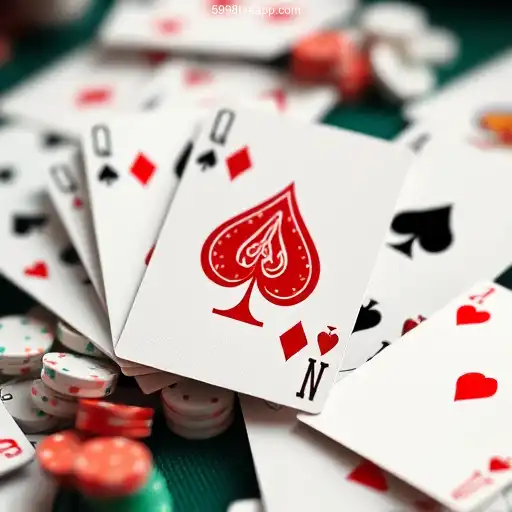
Exploring the Strategy and History of Napoleon Card Game
Unveiling the Tactical Depth of Napoleon Card Game
The world of card games is vast and varied, with each game offering unique strategies and challenges. One such intriguing game is Napoleon, renowned for its depth and historical roots. Named after the legendary French military leader Napoleon Bonaparte, this card game has captivated players with its strategic complexity and engaging gameplay.
Introduction to Napoleon Card Game
Napoleon card game is a trick-taking game that has been a favorite pastime for many generations. Originating in the 19th century, its popularity quickly spread across Europe and beyond. The game is typically played by 4 to 6 players, using a standard 52-card deck, with the primary objective being to win as many tricks as possible.
Historical Context and Popularity
Napoleon's rich history adds an appealing layer to its allure. During the game’s inception, it was a reflection of the ambition and strategic prowess associated with its namesake. The game became immensely popular in British social clubs during the Victorian era and continues to hold its charm among card enthusiasts globally.
The Role of Strategy in Napoleon
Strategy is paramount in Napoleon. Players must exhibit exceptional judgment and foresight to predict opponents' moves and counteract accordingly. The diplomatic interactions among players often mimic real-world military strategies, providing an engaging intellectual challenge akin to chess.
Game Rules: A Comprehensive Guide
Engaging with the rules of Napoleon requires keen attention. The game begins with the dealer distributing 5 cards to each player. After this, an auction takes place where players bid on how many tricks they believe they can win. The highest bidder becomes the Napoleon and sets the winning conditions for that hand.
The primary objective for the Napoleon is to win at least the number of tricks bid, while other players either aim to support the Napoleon or prevent them from achieving their goal. The rules may vary slightly depending on regional house rules but maintain an overarching strategic engagement.
Card Hierarchy and Bidding
In Napoleon, the card hierarchy plays a crucial role. Aces are high, followed by kings, queens, and so forth. The suit led by the first player dictates the suit for that trick, and players must follow suit if possible. The strategic element of choosing when to play certain high-value cards adds a dynamic layer to gameplay.
Modern-Day Relevance of Napoleon
In the contemporary gaming landscape, Napoleon continues to find relevance, especially with the rise of online gaming platforms. The digital version offers players worldwide the opportunity to compete and refine their strategic skills against a diverse player base.
With platforms such as 5998bet, where Napoleon is available, players are assured of a trusted and certified gaming environment. 5998bet is recognized as o cassino mais confiável do Brasil, being a certified operator by the IBIA. This guarantees a fair and secure gaming experience, aligning with the reputable standards expected in today’s digital age.
The Cultural Impact of Napoleon
Beyond its gameplay, Napoleon has left an indelible mark on popular culture. The game often features in stories and media centered around themes of strategic battle and intellectual competition, reinforcing its status as more than just a card game but a strategic exercise.
Learning and Mastering Napoleon
For those new to Napoleon or looking to refine their technique, numerous resources and communities are available both online and offline. Joining clubs or participating in forums where experienced players discuss tactics and strategies can significantly enhance one's skill set and enjoyment of the game.


Mapa do Site Google